Today the market is flooded with products making bold claims: “premium quality,” “high fulvic acid content,” “ancient recipe.” But how can this actually be verified?
The first thing to look at is laboratory testing. Without it, any quality claims remain nothing more than marketing. It is important to verify the content of fulvic acids, heavy metals, microbiological safety, and the presence of contaminants.
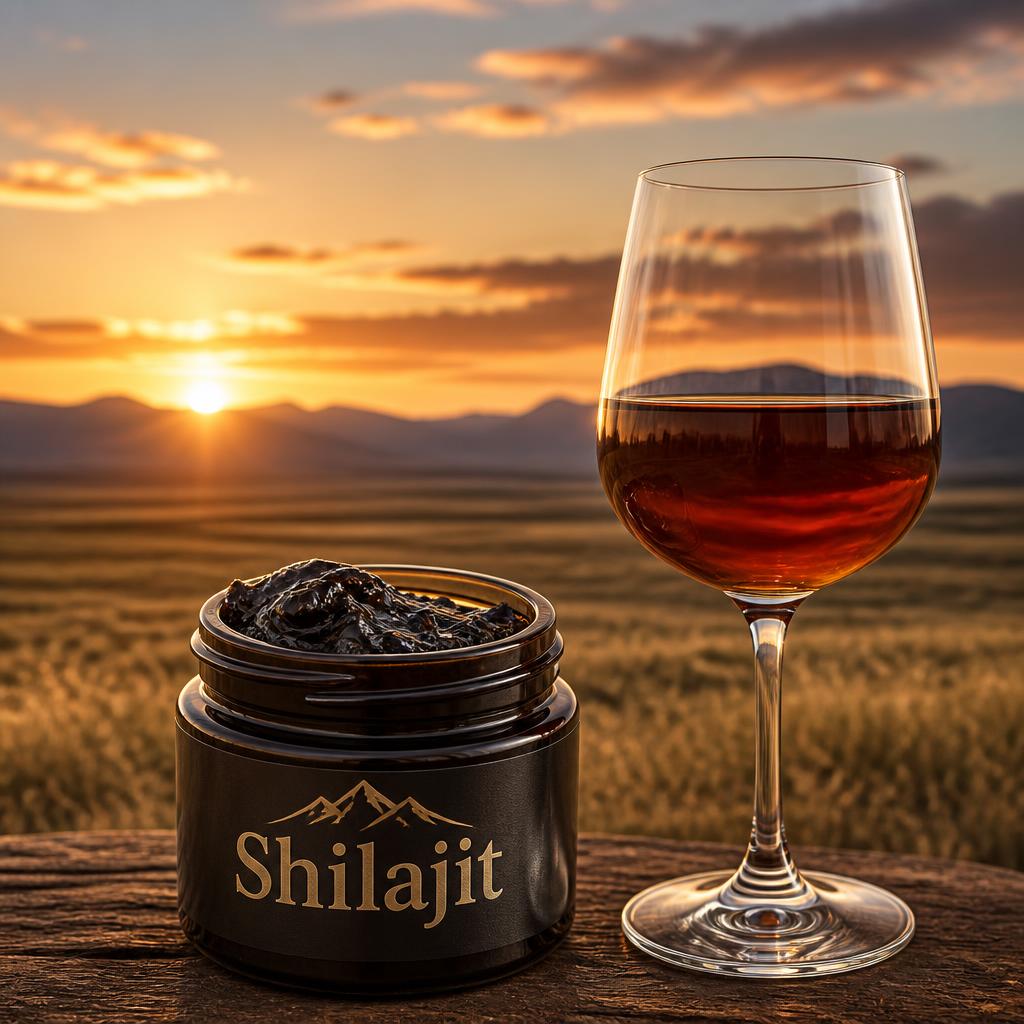
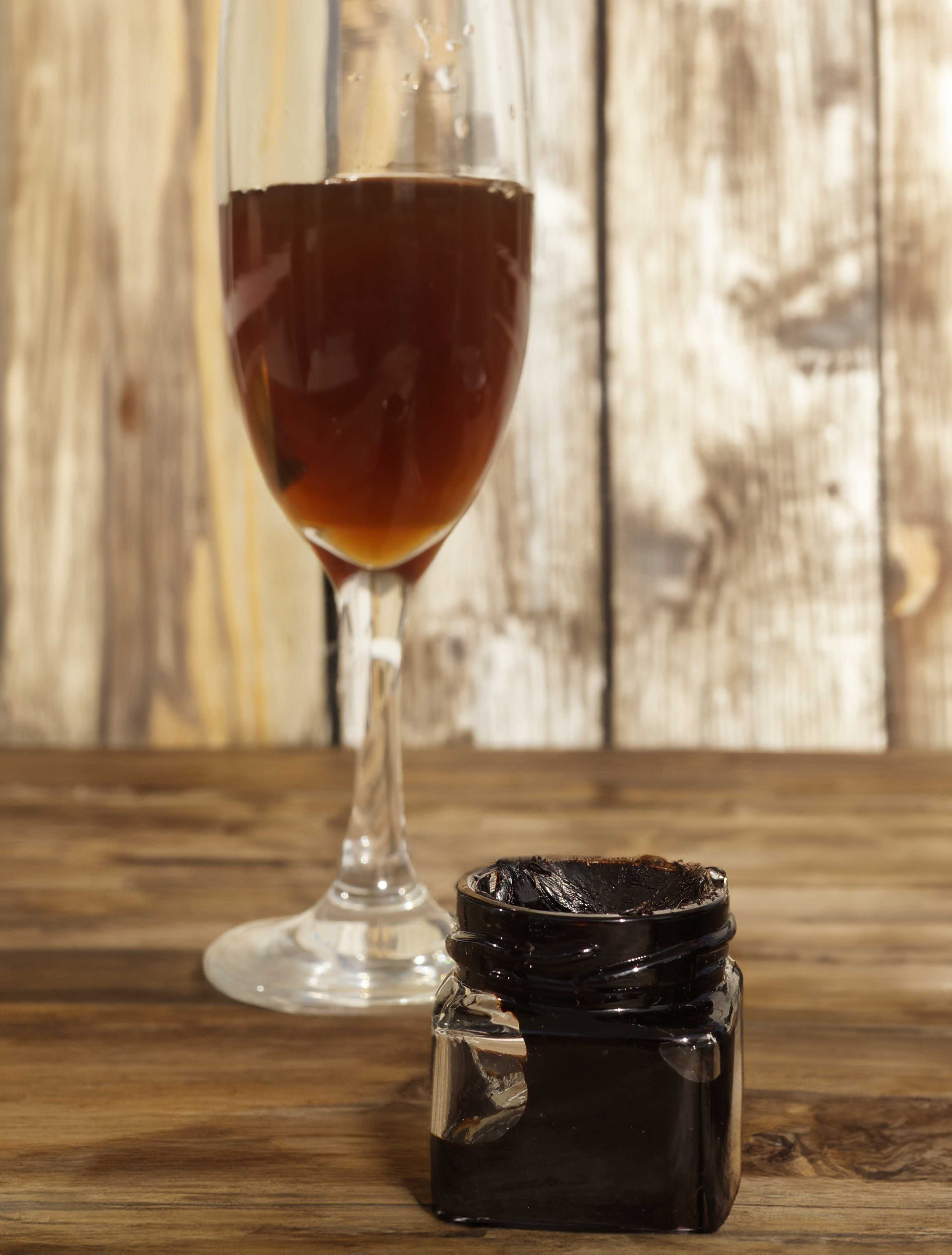
The second factor is appearance and solubility. High-quality shilajit has a rich dark color and a distinctive mineral aroma. It should fully dissolve in plain water; only a minimal amount of natural sediment is acceptable — virtually imperceptible trace particles that do not affect the quality of the product.
The most common mistake buyers make is evaluating the product based on price alone. Cheap shilajit often turns out to be the most expensive decision after laboratory testing.
In international trade, quality is not a matter of trust. It is a matter of documentation.
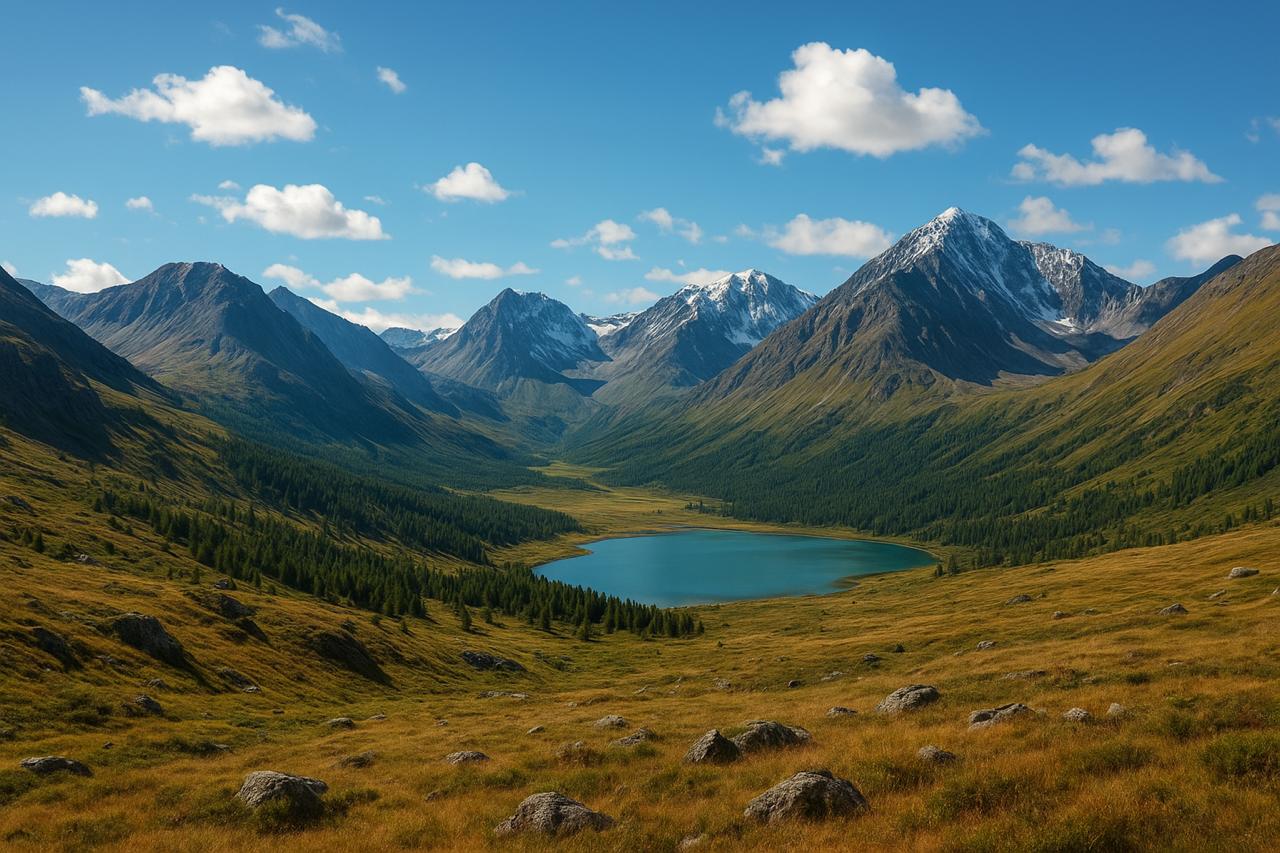
Shilajit is a gift of the mountains. It is found in the cracks of rocks at altitudes of 3,000 meters and higher — where the air is thin and every step is a risk.
Each time the harvesters climb there, they put themselves in danger — not for profit, but to bring down what nature itself has created for human benefit.
People sometimes ask me: At what altitude was your shilajit collected — 2,800 or 3,800 meters?
But to me, this question misses the point. Every piece of shilajit is part of living nature — it carries the energy of the earth, the power of the mountains, and the wisdom of time.
Our mission is to purify it carefully — preserving what nature has made perfect.
We use a gentle, multi-stage purification process, allowing our shilajit to retain up to 85% fulvic acids.
Purity is what defines the true value of shilajit.
We honor those who collect it — and the nature that gives us the privilege to share this remarkable gift with the world.

One question I hear all the time is: Which shilajit is better—Mongolian or another variety?
I think the better question is: What makes them different?
Mongolian shilajit is still relatively unknown in the global market, which is exactly why it is attracting growing interest from manufacturers and importers. Mongolia is known for its pristine environment, low population density, and absence of industrial activity in its harvesting regions.
In practice, however, the biggest differences usually come down to the mineral profile, purification methods, and the manufacturing standards of the producer—not simply the country of origin.
Over the years, I've come to one conclusion: don't choose between countries—choose between suppliers.
A supplier with transparent processes and consistent quality will always outperform a product backed only by an appealing origin story.
What do you think—is a region's reputation more important today than the actual quality of the product?
Most problems in international trade begin long before the first shipment.
Here are the three mistakes I see most often.
Mistake #1 – Choosing a supplier based solely on the lowest price.
A low price looks attractive until you discover that the supplier lacks proper certificates, delivery deadlines are missed, and product quality is inconsistent.
Mistake #2 – Failing to verify documentation in advance.
Many companies start discussing order volumes before checking the supplier's business registration, certifications, and production capabilities.
Mistake #3 – Ignoring the requirements of the target market.
A product that can be sold in one country may require a completely different set of documents and regulatory compliance in the EU or the United States.
Importing is not just about buying a product—it's about working with a reliable and predictable supplier.
What has been the most costly mistake you've made in international business?
.jpg)
"We have an excellent product. Why can't we start exporting tomorrow?"
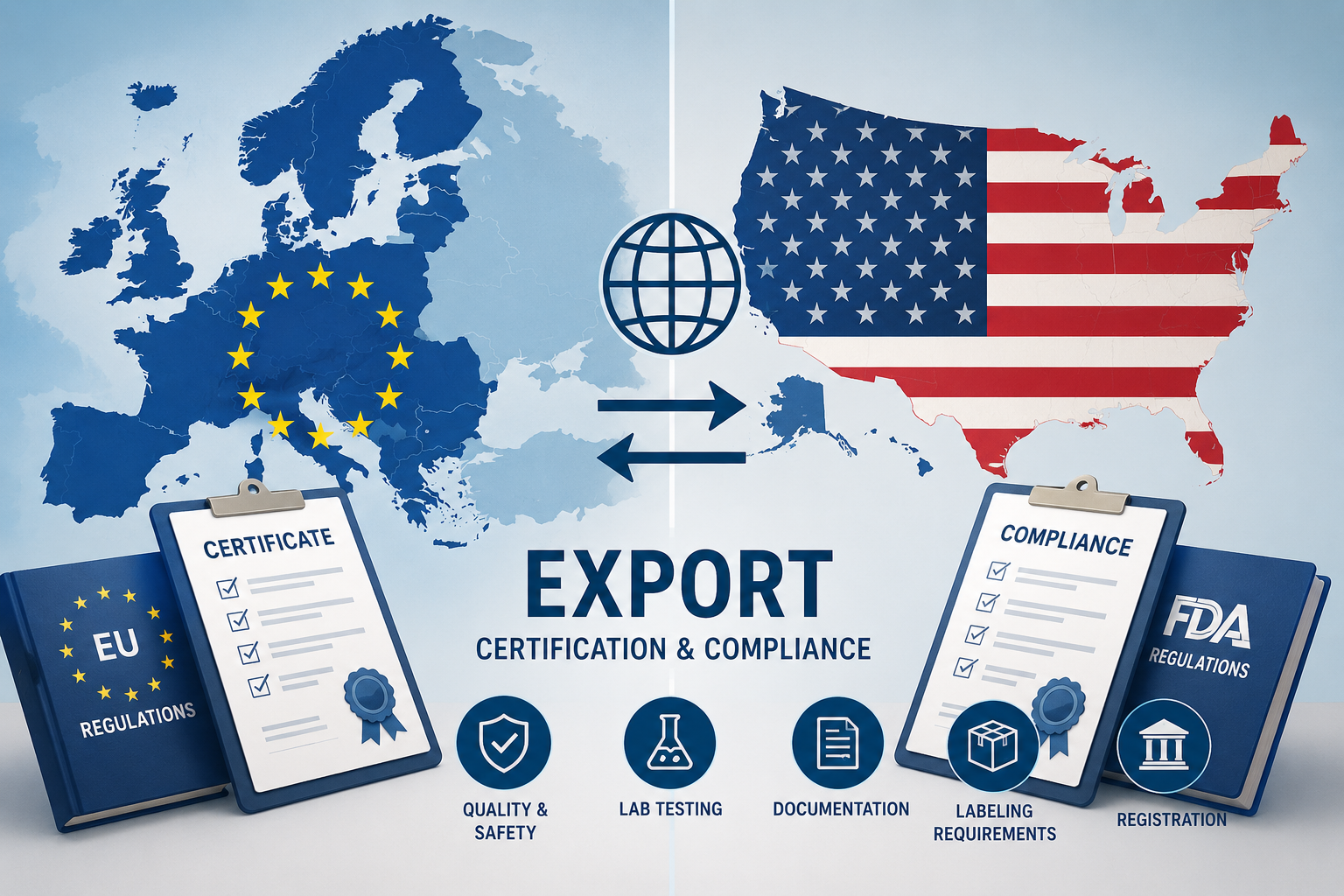
Because the EU and U.S. markets don't just buy products—they buy compliance.
For most natural products, exporting typically requires:
✔ Quality and safety certificates
✔ Laboratory test reports
✔ Documentation confirming the product's origin
✔ Compliance with labeling requirements
✔ Manufacturer registration, depending on the product category and target market
It's also important to understand that the requirements can vary not only between the EU and the United States but also between different product categories.
One of the biggest mistakes manufacturers make is looking for buyers before preparing the necessary export documentation.
The outcome is predictable: there is interest, but no deal.
International markets value innovation—but they value proper documentation even more.
In your experience, what's the best place to start when preparing a product for export?